
Introduction
Missing teeth are a common dental problem that can affect anyone. When you lose one or more teeth, it can change how you eat, speak, and smile. Missing teeth may also lead to other oral health issues if not treated. Because your teeth help keep your mouth healthy, it is important to understand why missing teeth matter. Early care can help you avoid bigger problems later. In this blog, you will learn about the causes, symptoms, diagnosis, and treatment options for missing teeth. You will also find tips on how to prevent tooth loss and keep your smile strong.
What Are Missing Teeth?
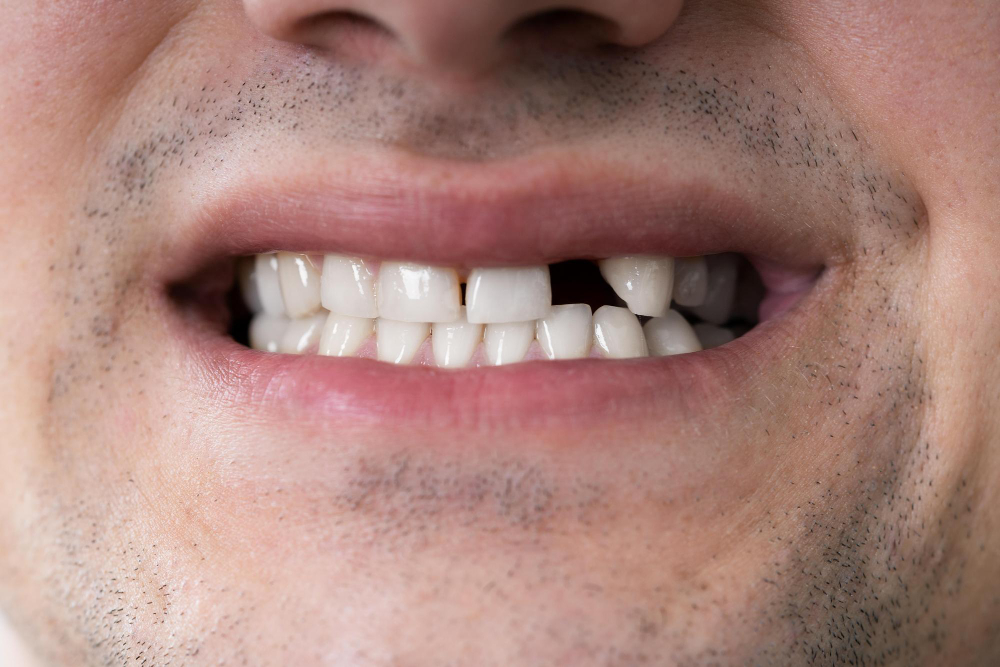
Missing teeth means that one or more teeth are not present in your mouth. This can happen for many reasons. Sometimes, people are born without certain teeth. Other times, teeth are lost due to injury or disease. No matter the cause, missing teeth can affect your bite and your confidence. Because teeth work together, even one missing tooth can make a difference in your daily life.
Common Causes of Missing Teeth
There are several reasons why people may have missing teeth. Understanding these causes can help you protect your oral health. Some of the most common causes include:
Because these causes are common, regular dental check-ups are important for early detection and care.
Symptoms and Oral Health Impact
Missing teeth can cause several symptoms and affect your overall oral health. Some signs and effects include:
Because missing teeth can lead to more serious issues, it is important to seek dental advice early.
How Dentists Diagnose Missing Teeth
Dentists use several methods to diagnose missing teeth and plan treatment. First, they will ask about your dental history and any symptoms you have noticed. Next, they will examine your mouth to check for gaps or shifting teeth. Often, dentists use X-rays to see the bone and roots below the gums. This helps them find hidden problems and decide the best way to fix missing teeth. Because early diagnosis leads to better results, regular dental visits are key.
Treatment Options for Missing Teeth
There are many dental solutions for missing teeth. Your dentist will suggest the best option based on your needs. Some common missing teeth treatment options include:
Because each treatment has pros and cons, your dentist will help you choose the best way to fix missing teeth. If you live in a certain area, you can search for “missing teeth treatment in [Your City]” to find local dental experts.
Prevention Tips and Lifestyle Guidance
While some causes of missing teeth cannot be avoided, many can be prevented. Here are some tips to help keep your teeth healthy:
Because good habits make a big difference, start these steps today to protect your smile.
Conclusion
Missing teeth can affect your health, comfort, and confidence. However, many treatment options are available to restore your smile. Because every person is different, it is important to talk to a dentist about the best dental solutions for missing teeth. Consult a dentist for personalized advice on missing teeth solutions and keep your mouth healthy for life.