
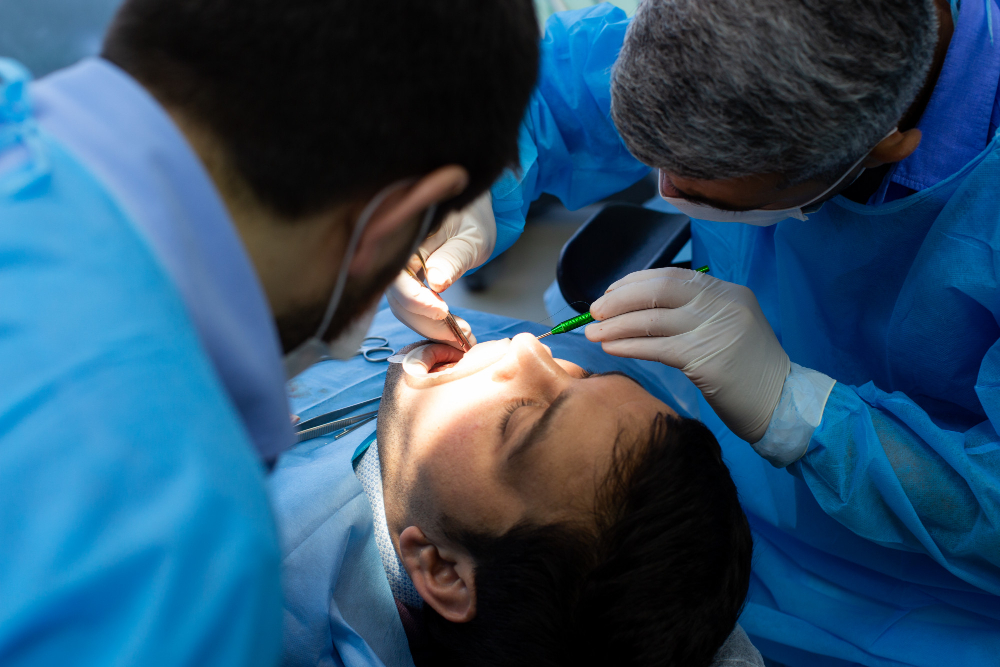
Introduction to Flap Surgery in Dentistry
Flap surgery is a common dental procedure used to treat gum disease. Many people hear about dental flap surgery when their dentist suggests it for advanced gum problems. In fact, this gum flap procedure can help save teeth and improve oral health. If you want to know more about flap surgery, its benefits, and recovery, this guide will help you understand everything in simple terms.
What Is Flap Surgery?
Flap surgery is a treatment for gum disease. During this procedure, a dentist or periodontist lifts the gums to clean the roots of the teeth. After cleaning, the gums are placed back and stitched. This helps remove infection and allows the gums to heal better. Often, people call it a gum flap procedure. It is usually done when other treatments, like deep cleaning, do not work well enough.
When Is Flap Surgery Needed?
Not everyone with gum disease needs flap surgery. However, your dentist may suggest it if:
Sometimes, flap surgery is also used to prepare the mouth for other dental work.
Step-by-Step Flap Surgery Procedure
Knowing what happens during flap surgery can ease your worries. Here is a simple step-by-step overview:
Most flap surgeries take about one to two hours, depending on the area treated.
Benefits and Expected Outcomes
Flap surgery offers many benefits for people with gum disease. For example, it can:
With proper care, most people see healthier gums and less bleeding after recovery.
Risks and Possible Complications
Like any surgery, flap surgery has some risks. However, most people recover without problems. Possible risks include:
If you notice severe pain, swelling, or fever, contact your dentist right away. According to the American Dental Association, these issues are rare when you follow aftercare instructions.
Recovery Tips and Aftercare
Proper care after flap surgery helps speed up healing. Here are some helpful tips:
Most people return to normal activities within a week. However, always follow your dentist’s advice for the best results.
Prevention and Oral Hygiene Guidance
After flap surgery, keeping your mouth clean is very important. Good oral hygiene can prevent future gum problems. For example:
With these habits, you can protect your gums and teeth for years to come.
Frequently Asked Questions (FAQs)
Conclusion
Flap surgery is a safe and effective way to treat advanced gum disease. With proper care, most people enjoy healthier gums and a better smile. If you have questions about flap surgery or oral health after flap surgery, consult your dentist for personalized advice.