
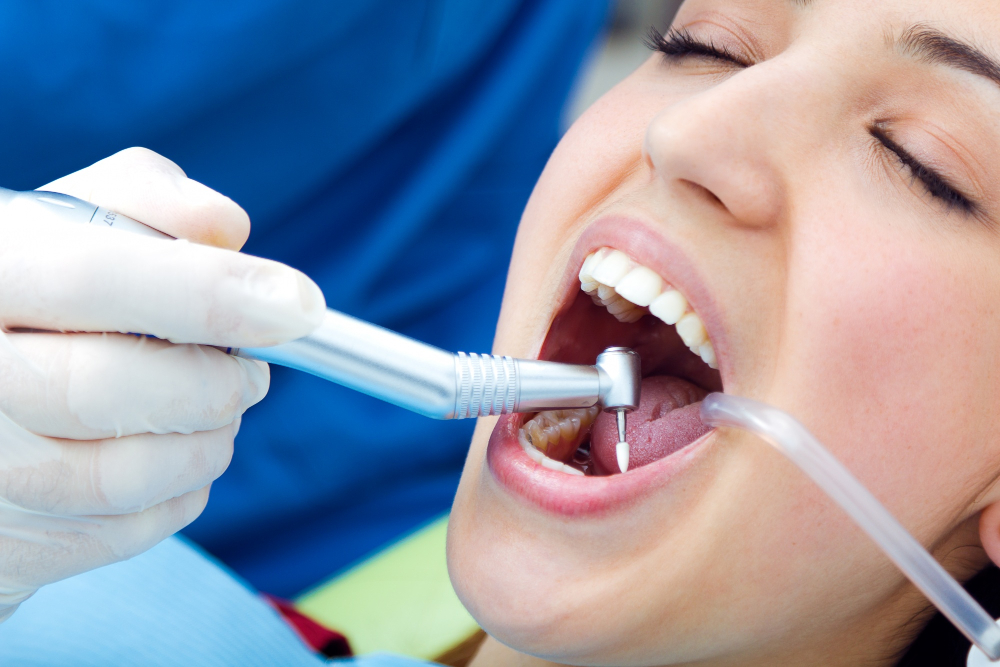
What Is Root Canal Treatment?
Root canal treatment is a dental procedure that saves a badly damaged or infected tooth. Dentists remove the infected pulp, clean the inside, and seal the tooth. As a result, you can keep your natural tooth instead of removing it. Many people search for “root canal treatment near me” when they have tooth pain or infection. This treatment is safe and common. According to the American Association of Endodontists, millions of teeth are treated and saved each year with root canal procedures.
Symptoms Indicating the Need for a Root Canal
Sometimes, tooth pain is a sign you may need a root canal. However, not all pain means you need this treatment. Look for these symptoms:
If you notice these signs, it is important to see a dentist soon. Early care can prevent more serious problems.
Causes Leading to Root Canal Treatment
Several issues can damage the inside of your tooth. For example, deep decay from cavities can reach the pulp. In addition, repeated dental work on the same tooth can cause problems. Sometimes, a crack or chip in the tooth lets bacteria in. Even a hard hit to the mouth can injure the pulp, even if the tooth looks fine. When the pulp becomes infected or inflamed, a root canal procedure may be needed to save the tooth.
Step-by-Step Overview of the Root Canal Procedure
Many people feel nervous about root canal treatment. However, knowing the steps can help you feel more at ease. Here is what usually happens:
Most root canal procedures take one or two visits. Afterward, you can return to normal activities quickly.
Benefits of Root Canal Treatment
Root canal treatment offers many benefits. First, it saves your natural tooth. This helps you chew and speak as usual. Also, it prevents the need for tooth removal and replacement. In addition, the treatment stops infection from spreading to other teeth. With proper care, a tooth treated with a root canal can last a lifetime. According to the CDC, keeping your natural teeth supports better oral health overall.
Aftercare Tips and Recovery Guidance
After a root canal procedure, your mouth may feel sore for a few days. However, most people recover quickly. To help your healing, follow these tips:
Most people return to normal eating and brushing within a few days. However, always follow your dentist’s advice for the best recovery.
Prevention of Future Dental Issues
Good oral care can help prevent the need for future root canal treatments. For example, brush your teeth twice a day with fluoride toothpaste. Also, floss daily to remove food and plaque. Regular dental check-ups help catch problems early. In addition, avoid biting hard foods or objects that can crack your teeth. Wearing a mouthguard during sports can protect your teeth from injury. By following these steps, you can keep your teeth healthy and strong.
Conclusion
Root canal treatment is a safe way to save a damaged or infected tooth. It relieves pain, stops infection, and helps you keep your natural smile. If you have symptoms or concerns, consult a dentist for personalized advice on root canal treatment.