
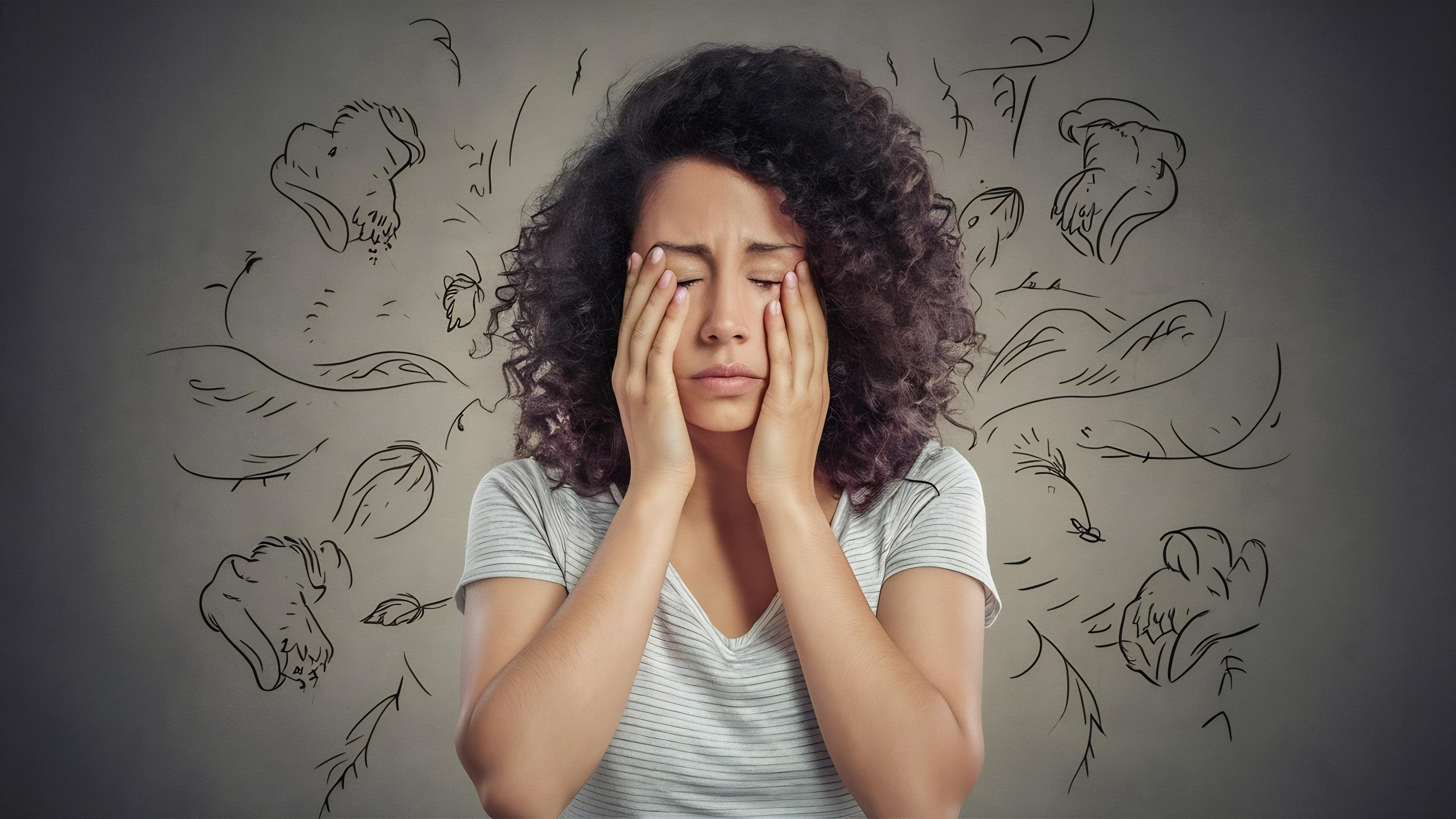
What is Anxiety Disorder?
Anxiety disorder is a common mental health condition. It causes people to feel worried, nervous, or fearful often. While everyone feels anxious sometimes, anxiety disorder means these feelings do not go away. Instead, they can get worse over time. Because of this, daily life can become hard. According to the World Health Organization (WHO), anxiety disorders affect millions of people worldwide. However, with the right help, most people can manage their symptoms well.
Common Symptoms of Anxiety Disorder
People with anxiety disorder may notice both emotional and physical symptoms. For example, you might feel tense or restless. In addition, you may have trouble sleeping. Here are some common symptoms of anxiety disorder:
Sometimes, these symptoms can come and go. But if they last for weeks or months, it may be anxiety disorder.
Causes and Risk Factors
Many things can lead to anxiety disorder. Often, it is a mix of factors. For instance, your family history can play a role. In addition, stressful life events may trigger symptoms. Below are some common causes and risk factors:
Because everyone is different, not all people with these risk factors will develop anxiety disorder.
How Anxiety Disorder is Diagnosed
Doctors use several steps to diagnose anxiety disorder. First, they ask about your symptoms and medical history. Next, they may do a physical exam to rule out other health problems. Sometimes, doctors use questionnaires to better understand your feelings. In some cases, lab tests help check for other causes. If needed, a mental health specialist may be involved. Early diagnosis can help you get the right treatment sooner.
Treatment Options for Anxiety Disorder
There are many ways to treat anxiety disorder. Often, a mix of treatments works best. Because each person is unique, your doctor will suggest what fits you. Common treatment options include:
In addition, regular follow-ups with your doctor are important. Treatment for anxiety disorder can take time, but many people see improvement.
Lifestyle Tips for Managing Anxiety
Along with medical treatment, lifestyle changes can help manage anxiety. For example, you can try these tips:
Because small changes can make a big difference, try adding one or two tips at a time.
Prevention and When to Seek Help
While you may not always prevent anxiety disorder, you can lower your risk. For instance, managing stress and building strong relationships can help. If you notice symptoms of anxiety disorder, do not wait. Early help can stop symptoms from getting worse. You should seek help if:
Remember, anxiety disorder is treatable. Many people recover with the right care.
If you or someone you know is experiencing symptoms of anxiety disorder, consult a healthcare professional for personalized guidance.